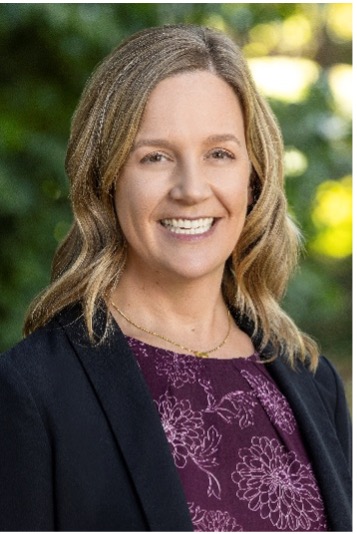
 Michelle Odden, PhD, MS is an Associate Professor of Epidemiology in the Department of Epidemiology and Population Health at the Stanford School of Medicine. Her NIH-funded research program has two major foci. First, she aims to better understand the biologic and physiologic mechanisms that characterize the aging process. Second, she strives to improve our understanding of how aging affects optimal preventive strategies for cardiovascular disease and related morbidity in older adults, including dementia and disability. She is particularly interested in populations who have been underrepresented in research including minoritized populations and frail older adults. She also brings expertise in epidemiological and statistical methods to reduce biases in observational studies. Dr. Odden is a Fellow of the Gerontological Society of American and Chairs the Aging, Injury, Musculoskeletal, and Rheumatologic Disorders Study Section for the NIH. She is a Founder and Steering Committee Member of the Stanford AHEaD program. She completed her Ph.D. in Epidemiology from the University of California, Berkeley (2009), a postdoctoral fellowship at the University of California, San Francisco in Primary Care Research (2011).
GRADUATE STUDENTS
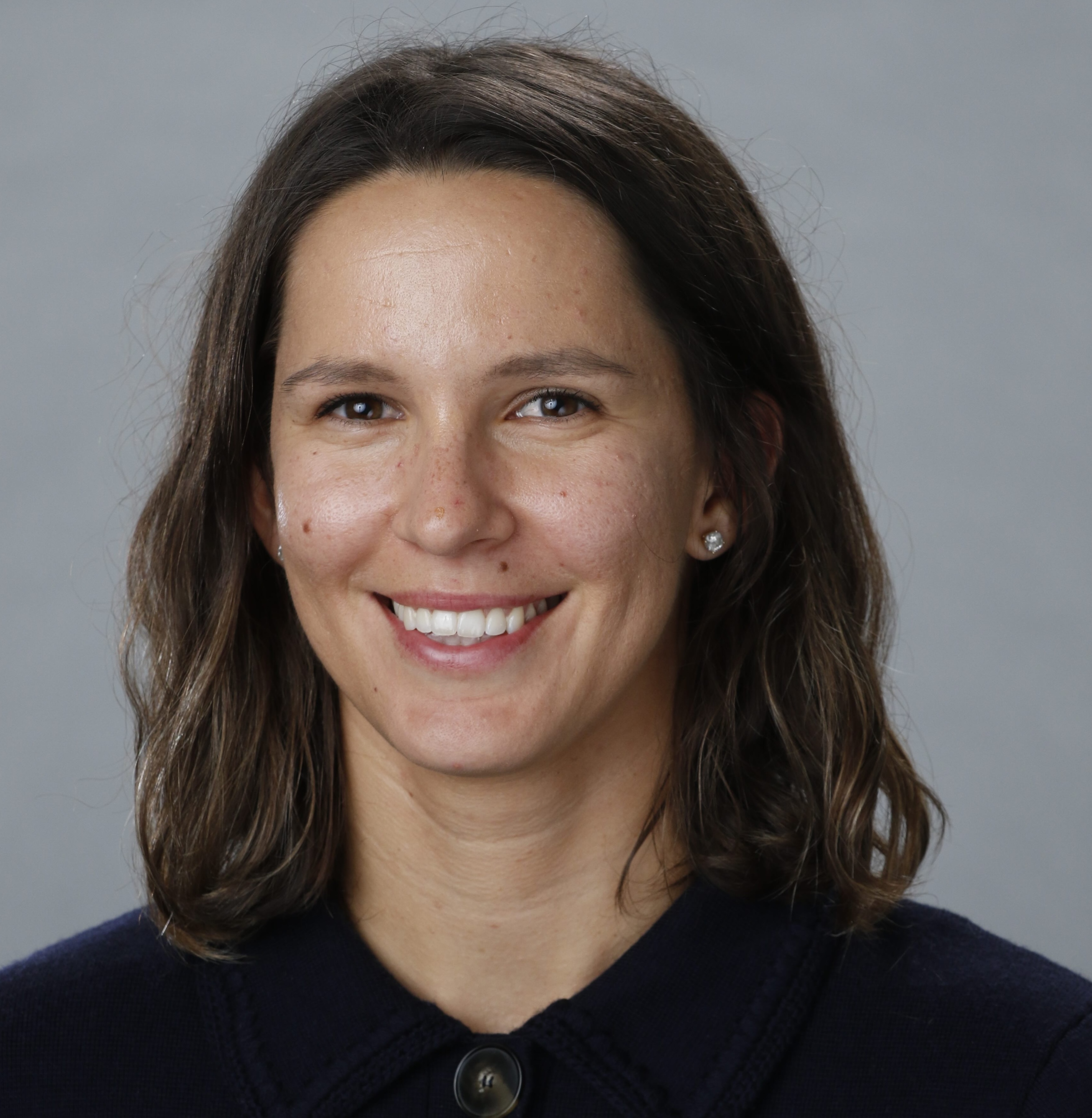 Sylvie Dobrota Lai, MS is a doctoral student in the Department of Epidemiology and Population Health at the Stanford School of Medicine. Her research is centered around investigating the biological, environmental, and social factors associated with healthy aging, with a focus on stroke survivors. She is interested in leveraging digital technologies to measure risk factors that are not typically captured in epidemiological studies. Before Stanford, she completed her bachelor’s in Molecular and Cellular Biology, with a concentration in Neuroscience, at UC Berkeley. In her free time, she enjoys playing tennis, finding cafes with great matcha, and curling up with a good book.
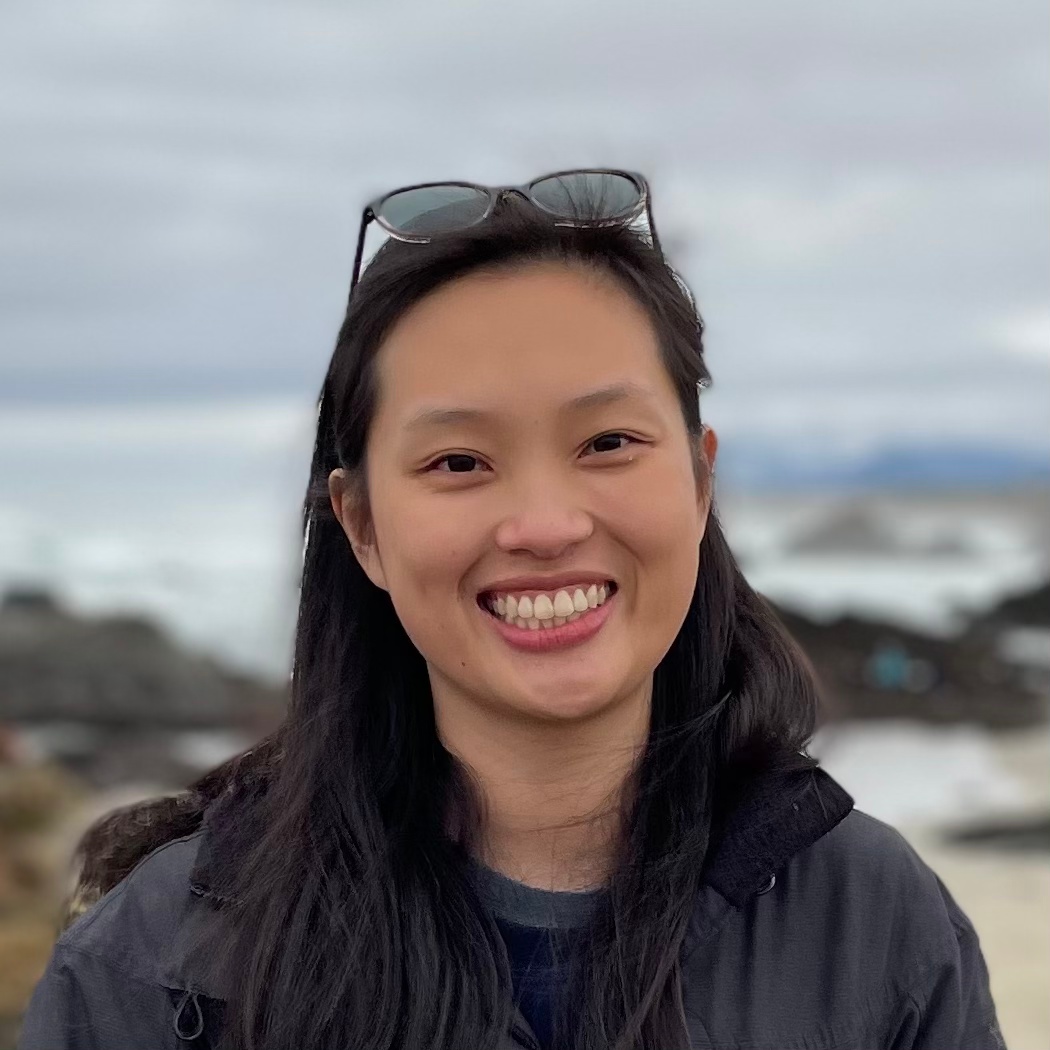 Julianna Hsing, MS is a doctoral student in the Department of Epidemiology and Population Health at Stanford University. Co-advised by Drs. Mathew Kiang and Michelle Odden, her research integrates smartphone sensor data with epidemiological methods to examine how stress, physical inactivity, and poor sleep contribute to early chronic disease risk and accelerated aging in young adults. She is particularly interested in leveraging passive health data to identify digital biomarkers of aging that can guide disease prevention strategies. Julianna earned her bachelor’s degree in ecology and evolutionary biology from Princeton University and her master’s degree in epidemiology and clinical research from Stanford University. Outside of research, she enjoys rock climbing, playing music with friends, and expressing her creativity through design, printmaking, and ceramics.

June Li, MS is a doctoral student in the Department of Epidemiology and Population health at Stanford School of Medicine. Co-advised by Drs. Manjula Tamura and Michelle Odden, her research investigates the effects of hypertension treatments on kidney and resistant hypertension populations, using epidemiological methods to examine clinical trial results into real-world populations. June completed her MS in Epidemiology at Stanford University, and her bachelor’s in Heath Sciences at McMaster University in Canada. Outside of research, she enjoys dance, climbing, running, baking projects, and a quiet night in with a good book and a cup of tea.
Rishi Parikh, MPH
Bocheng Jing, MS
STAFF
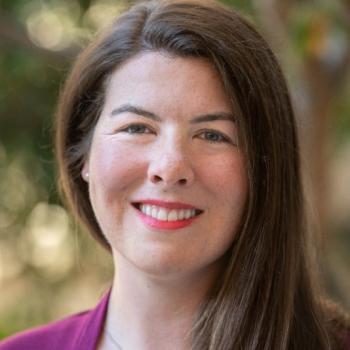 Laura Graham, PhD is a health services researcher with a wide variety of experience in data management and analysis, including large multi-center health services and outcomes research studies, provider survey studies, and laboratory-oriented research. Her research interest include surgical outcomes research, informatics, and implementation science to translate evidence into practice. The bulk of her research experience is centered around the use and analysis of large administrative datasets collected by the Veterans Health Administration. She has been involved in a multitude of Health Services Research & Development funded and unfunded studies using these administrative data to assess surgical outcomes.
 Yongmei Li, PhD is a statistician with experience in data management and analyses using administrative datasets from the Veterans Health Administration. In the Odden Lab, she is focused on analyzing data about a variety of outcomes among residents of the Community Living Centers. She is interested in optimal analytical methods based on principles of epidemiology and econometrics. She obtained her PhD in Public Health from Tulane University School of Public Health and Tropical Medicine.
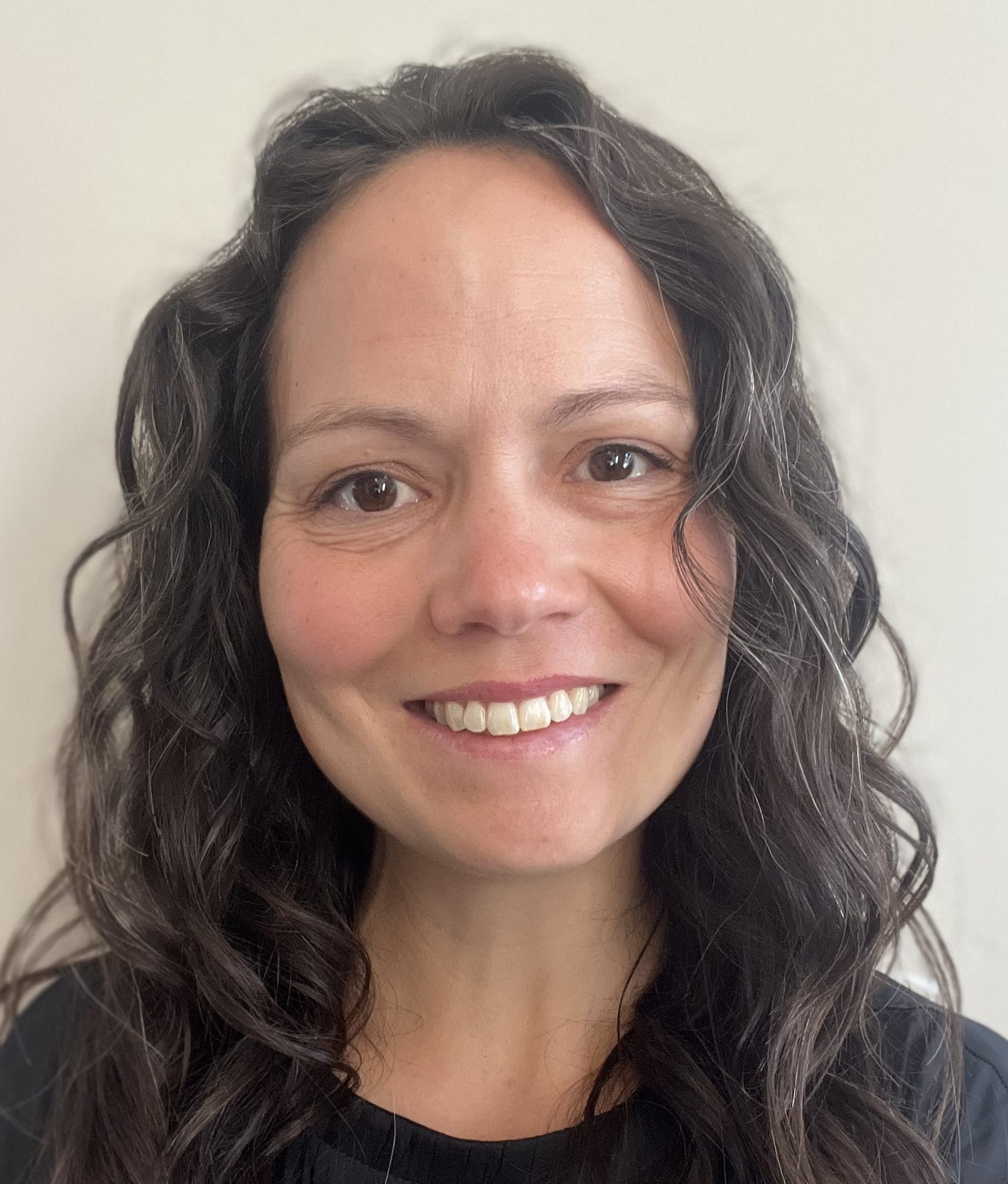 Shannon Hoffman, PT, DPT is a Research Project Manager who began her career as a physical therapist specializing in the treatment of dizziness, gait, and balance disorders. Her experience in the clinic sparked an interest in clinical and epidemiological research, particularly related to the preservation of physical function across the lifespan, advancing health equity, and improving access to healthcare. In the Odden Lab, she manages several projects studying the biological and physiological processes of aging and the healthcare of older adults. Outside the lab, Shannon enjoys adventuring outdoors (especially on the water!), playing guitar, listening to podcasts, and spending time with her family.
POSTDOCTORAL FELLOWS
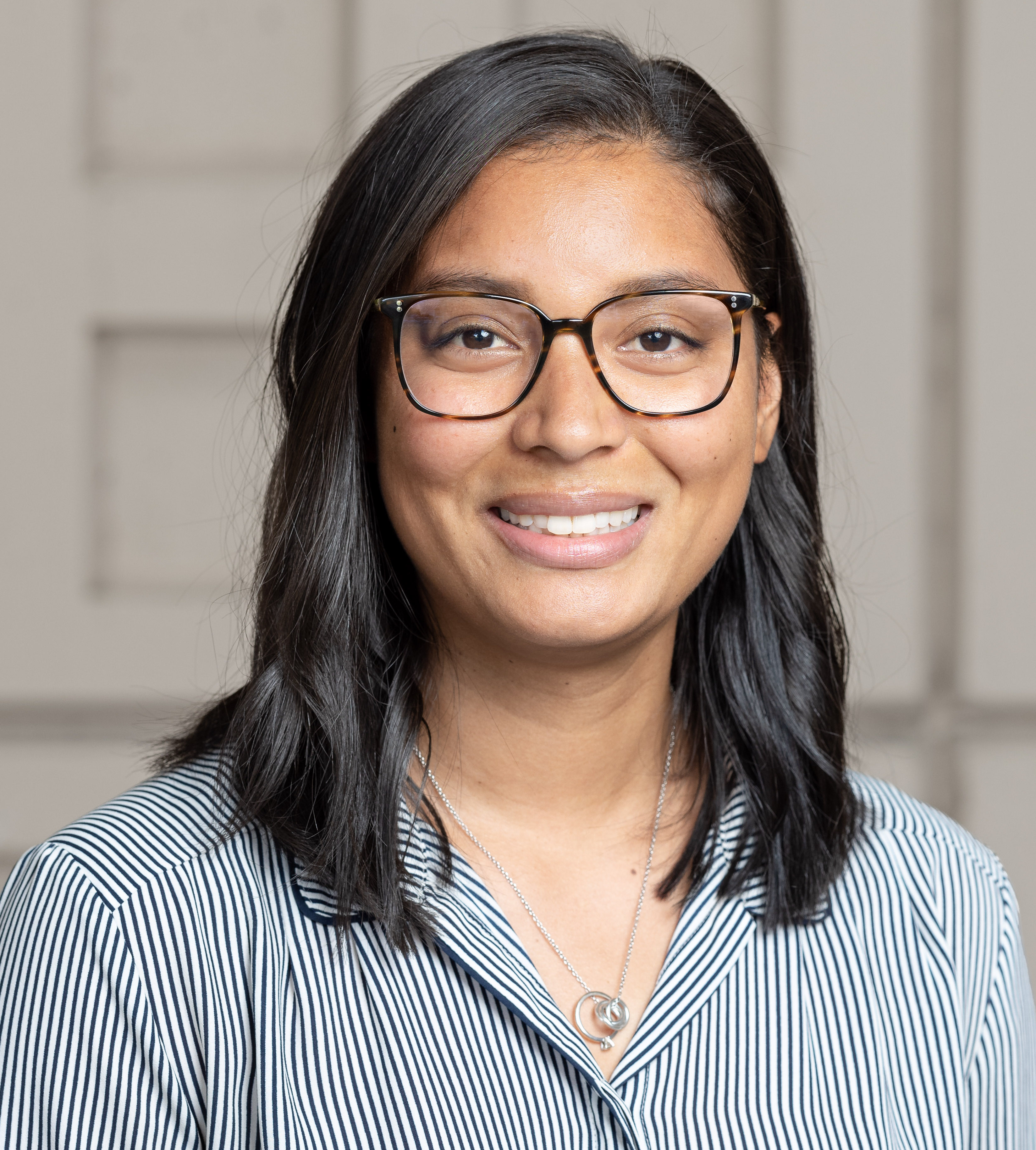 Alexis Reeves, PhD, MPH is a postdoctoral scholar working with Dr. Michelle Odden in the Department of Epidemiology and Population Health. She is also a fellow with the Propel post-doctoral scholar program at the Stanford School of Medicine. Her research is broadly focused on the causes and consequences of racial disparities in accelerated aging. She is particularly interested in the interplay of structural and interpersonal racism, and the psychobiological mechanisms in which they produce early health declines in minoritized populations. Her work to date has focused on the health of Black women as they enter into life-stages, such as the midlife menopausal transition, where cardio-metabolic risk is high. Alexis also has a strong interest in causal inference, and applies causal inference theory and methods to these areas of research to mitigate and quantify bias. Alexis holds a BS in Biological Sciences from University of California Irvine, an MPH in Epidemiology/Biostatistics from University of California Berkeley and a Doctorate in Epidemiologic Science from the University of Michigan. Outside of research, Alexis enjoys learning about other cultures and history by traveling. She also enjoys eating, cooking, and sharing food (and cocktails!) from around the world with friends and family.
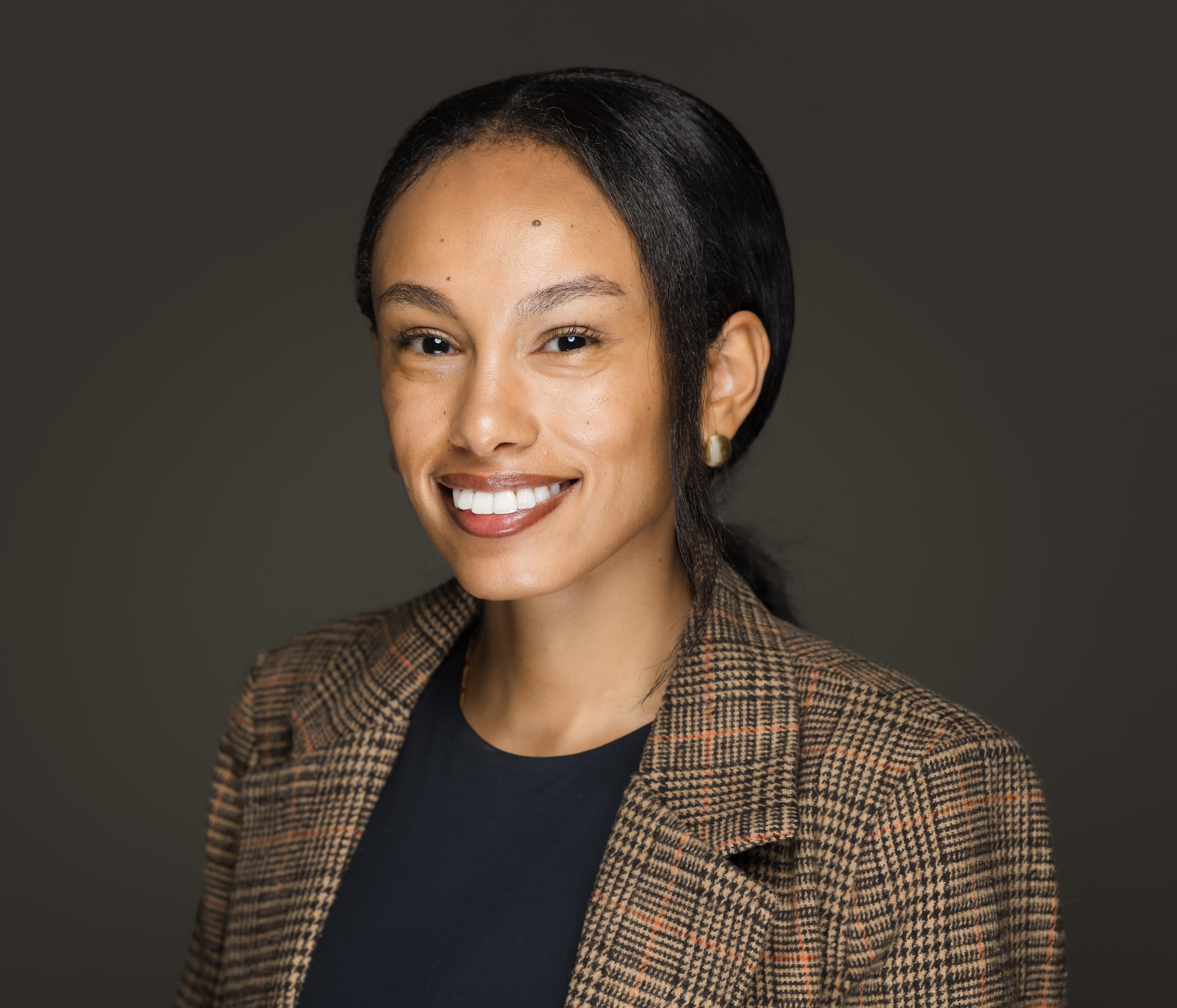 Elleni Hailu, PhD, MPH is a Propel Postdoctoral Scholar at Stanford University School of Medicine. Broadly, her research employs interdisciplinary theories and advanced epidemiologic methods to assess how structural racism and its manifestations are biologically embodied to influence racial health inequities across the life-course. Her work to date has examined multi-level stressors (e.g. experiences of discrimination, neighborhood environments) in relation to the risk of accelerating aging markers and pregnancy-related complications. She is interested in addressing the contextual determinants of cardiometabolic outcomes in women and the role of pregnancy. Elleni received her PhD in Epidemiology and her Master of Public Health degree in Epidemiology/Biostatistics from the University of California, Berkeley School of Public Health, and holds a B.S. in Public Health Sciences from Santa Clara University. When she is not working, Elleni enjoys spending quality time with loved ones and trying new restaurants.
 Cellas Hayes, PhD is a first-generation college graduate neuroscientist. He holds a bachelor’s degree in biology and minors in Classics, and Latin from the University of Mississippi and earned his Ph.D. in Pharmaceutical Sciences with an emphasis in Pharmacology in 2022, where he also received advanced neuroscience research training.
At Stanford, Dr. Hayes employs cutting-edge epidemiological and biostatistical methods with high-dimensional biological data to investigate the impact of cerebrovascular and Alzheimer’s disease pathologies on age-related outcomes such as cognitive decline and dementia. He has established national collaborations including the Strong Heart Study, Cardiovascular Health Study, HABS-HD, and National Alzheimer’s Coordinating Center.
Passionate about mentorship and education, Dr. Hayes develops innovative resources and curricula through the Stanford Grant Writing Academy, where he has trained postbaccalaureate, Ph.D., and postdoctoral scholars in grant writing and career development.
Cellas Hayes, PhD is a first-generation college graduate neuroscientist. He holds a bachelor’s degree in biology and minors in Classics, and Latin from the University of Mississippi and earned his Ph.D. in Pharmaceutical Sciences with an emphasis in Pharmacology in 2022, where he also received advanced neuroscience research training.
At Stanford, Dr. Hayes employs cutting-edge epidemiological and biostatistical methods with high-dimensional biological data to investigate the impact of cerebrovascular and Alzheimer’s disease pathologies on age-related outcomes such as cognitive decline and dementia. He has established national collaborations including the Strong Heart Study, Cardiovascular Health Study, HABS-HD, and National Alzheimer’s Coordinating Center.
Passionate about mentorship and education, Dr. Hayes develops innovative resources and curricula through the Stanford Grant Writing Academy, where he has trained postbaccalaureate, Ph.D., and postdoctoral scholars in grant writing and career development.
ALUMNI
Stanford University
| Name | Program, Graduation | Current Position |
|---|---|---|
| Andrew Chang, MD, PhD | PhD student, 2024 | Assistant Professor, Yale University |
| Xiaojuan Liu, PhD | PhD student, 2024 | Postdoctoral Fellow, Harvard University |
| Hoda Abdel Magid, PhD | Postdoctoral Fellow, 2023 | Assistant Professor, University of Southern California |
| Manuel Blum | MS, 2019 | Internist, Bern, Switzerland |
| Astrid D. Häberle San Martín | MS, 2019 | Dental Resident, Santiago, Chile |
Oregon State University
| Name | Program, Graduation | Current Position |
|---|---|---|
| Kendra Sims | PhD, 2021 | Postdoctoral Fellow, Boston University |
| Chenkai Wu | PhD, 2017 | Assistant Professor, Duke Kunshan University, China |
| Lindsay Miller | PhD, 2019 | Assistant Professor, University of California San Diego, CA |
| Christina Charlesworth | Epidemiology, MPH, 2015 | |
| Divya Thekkethala | Epidemiology, MPH, 2015 | |
| Fatimah Alramadhan | International Health, MPH, 2014 | |
| Brendan Darsie | Epidemiology, MPH, 2013 | |
| Abdul Amadu | Epidemiology, MPH, 2012 |
 Odden Research Lab